- Welcome to Qamrun-Nas & Sons India's leading hand-Knotted Carpet Manufacturers !
- +91-880-846-6197

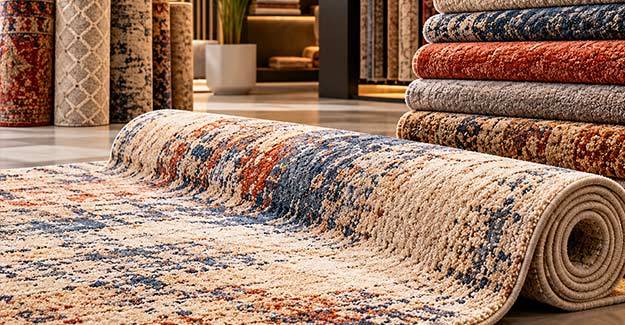
Flooring is the one thing every visitor touches without ever thinking about it. A good carpet quietly changes how a room sounds, feels, and holds warmth. Buyers comparing Carpet Manufacturers often shortlist Qamrun-Nas & Sons for its long craft heritage. That kind of reputation matters far more than any glossy brochure ever could. A weak carpet shows its flaws within a year, usually in the busiest corridor. Buyers who skip research often pay twice for one floor.
Wool, nylon, polyester, and blends all behave very differently under daily foot traffic. Wool recovers well after pressure and resists dirt better than most people expect. Nylon takes abuse in offices, while polyester suits lighter homes and guest rooms. Picking the wrong fibre for the room is the most common mistake buyers make. It rarely hurts on day one, but the wear patterns appear fast. Climate matters too, since humid regions punish fibres that trap moisture. Cheaper blends often cope poorly with spills, sunlight, and constant cleaning. A showroom sample cannot show you that, so ask about real-world performance.
Most buyers judge a carpet by colour and feel alone. Flip it over, though, and the real story shows up. Backing quality, knot density, and pile height decide how the carpet ages. Dense, well-anchored pile resists crushing and holds its shape for years. Thin construction might look identical in a photo but flattens quickly under furniture. Ask for a small offcut and test it with a heavy chair. That small test often reveals more than any brochure promises. A decent manufacturer will happily explain these details, without being asked twice.
Plenty of sellers can show you a catalogue full of attractive samples. Fewer can back those samples with proper testing and honest after-sales support. Reputable suppliers share test reports without hesitation, because they have nothing to hide. Here is what usually separates a dependable supplier from a risky one:
None of this is glamorous, but it prevents expensive regrets later.
Standard catalogue patterns rarely suit hotels, boutiques, or unusual room layouts. Designer Carpet Manufacturers earn their keep here, turning rough ideas into woven reality. A skilled team handles colour matching, scale, and pile texture before weaving begins. Ask to see a strike-off or sample swatch before approving anything large. Screen colours lie, and your room's lighting changes everything again. A small swatch costs little compared with replacing a whole roll. Lead times for custom work run longer, so plan the schedule early. Rushed approvals are where most custom orders quietly go wrong.
Some suppliers just quote a price per square metre and disappear. Better ones ask questions about traffic, sunlight, furniture, and cleaning habits. Watch for these signals when you start comparing different quotes:
Suppliers who behave this way usually care about repeat business. A supplier who listens first usually delivers a better result.
Switching suppliers for every project sounds flexible but costs more than it saves. Established Carpet Manufacturers remember your past specifications, colours, and delivery quirks. That memory saves hours of repeated explanation on every new order. It also keeps dye lots consistent when you need to extend an installation. Matching a faded carpet to a fresh batch is surprisingly difficult. Long relationships make that conversation much easier for everyone involved. Trust built over several projects becomes a quiet, valuable advantage.
A good floor rarely gets praised, which is exactly how it should be. People notice only when something underfoot starts to look tired or feels wrong. Careful questions and a little patience at the buying stage prevent that outcome. Quality flooring earns its value slowly, one quiet year after another. Choose for years of daily use, not for a pretty photograph. The floors worth having are the ones you stop thinking about.







Take a guided tour of our factory to see the production process up close. Discover how we make our products and meet the team behind the scenes !


